


Two Weeks From Today: The Power of Short-Term Goals and Planning


How many times have you promised yourself: “Today, in two weeks, I will already start”? One might argue that this is a typical phrase that combines hopelessness and the treacherous tendency to procrastinate – but, on the other hand, in just fourteen days, it will be possible to observe a slight difference in life. Two weeks from today as an expression represents a time frame that is sufficient to make an influence for long term yet short enough not to be forgotten. In a world that has been constantly accelerating until recently, “planning in two weeks” turned into a balancing act. You must act now, relying on planning over the distant future. ‘
In your case, that could be your long-term plans for personal growth. It might be your final project that you should complete over the course of two weeks. You may plan a journey, and your impression of the time spent will be relevant in two weeks. What you do today will determine what you do two weeks from now.
Understanding the Meaning of “Two Weeks From Today”
On the surface, the location “two weeks from today” seems rather straightforward as a concept of time. It serves as a pointer, a result indicator, a moment in the near future that appropriately bookmarks our aspirations. However, beneath its calendric definition, it conceptually also reads expectation and liability. It may be translated as a promise to yourself that two weeks from the moment of making it – the clock on your declaration reaching fourteen, you will have done something, small or big, that mattered.
To one person, it might mean starting a fitness regime; to others, saving money is a good one. As for the business people, “two weeks from today,” the phrase could correspond to a time of the launch of a new campaign or signature of an agreement or the completion of a job. In the student perspective, it’s the time before the test or the submission due date.
In any example, however, two weeks from today is a proper and feasible duration for significant or measurable growth.
Why Two Weeks Is a Powerful Timeframe
Two weeks is the perfect amount of time to effect changes without losing your commitment. Long-term goals are almost always doomed to fail because the goal seems forever away. Two weeks strikes the perfect balance between pressure and enthusiasm.
It leads to relentless action, all the while maintaining the excitement of progress. Habits can form in two weeks. If you spend as little as fourteen days in a row doing something – whether it’s eating healthier, waking up early, or learning a skill, you will see the benefit of your labor. The same goes for professional pursuits. Teams that aim for a two-week goal often deliver better results. This is because two weeks isn’t just enough to make progress; it’s enough to make progress twice.
This mindset is the basis of the sprint method widely adopted in modern productivity systems in tech and business development. Sprints are generally two week periods that teams use to plan, execute, review. Such development cycles are the perfect way to instill progress in almost any area of your life.
Planning Your Next Two Weeks
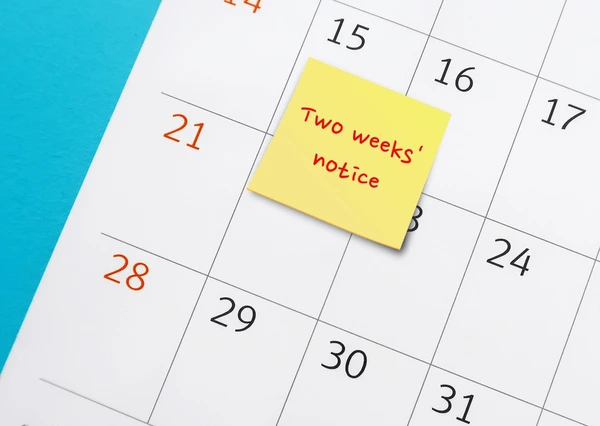
Now, envision that in two weeks from today, you’ve accomplished a meaningful goal. What does it look like? The first thing two effective two-week planning needs is clarity. You need to decide what you want to achieve and break it down into manageable steps. Since two weeks is a very short timeframe, a good rule of thumb is to keep it as simple as possible. Choose one or two achievable goals. They have to be measurable and specific.
Once you have your goals, map your days. Plan tiny daily activities that will help you achieve the desired result. This way, you can prevent ‘procrastination out of overthinking’, and of course, overwhelming yourself. You can use a planner, an app, or even just a blank notebook – the main idea is that you have to see your progress daily.
Finally, you can always maintain flexibility. Life is never perfect, and two weeks can bring you unforeseen circumstances. But what truly matters is your consistency, not perfection. If you miss a day, just act as you have to and move forward. The beauty of a two-week plan is that it definitely makes you more focused but does not lock you into month-long or even annual commitments.
Two Weeks in Everyday Life
However, this period influences much more life aspects than one could ever imagine. Just think about how many questions rely on the “two weeks from today” record. Specifically, from the two aspects, it is simple to notice that people hear this phrase “twice a week.” At workplaces, managers use it to set immediate goals.
The phrase “let’s return to this two weeks from now” is the one during meetings. This helps to reinstate accountability and ensures that tasks are not overlooked forever. The medical field likes the two week period, as well. Many assignments to follow or receive treatment are in two weeks. This assures the body has enough time to react to medication or the routine. The same can be seen in terms of education.
Two weeks can differentiate between preparedness and panic prior to examination. Those who plan, surely, know what they are doing for the next 14 days. The same applies to relationships. Two weeks can change many things. This is enough time to renew after the fight, plan a getaway, or just find the right time to talk with someone.
The Psychology Behind Two-Week Planning

Psychologically, two weeks is the perfect “short-term motivator”. Our mind tends to work better when we can almost feel the deadline. And two weeks is just enough to be motivated without feeling tired or losing interest. Long-term goals tend to cause fatigue and loss of results.
You don’t see your hard work paying off, and staying disciplined and motivated becomes impossible. But in two weeks, you can get closer to your goal. Unless it’s too unrealistic, you can notice some progress, feel the results, and stay motivated. Temporal motivation increases, according to behavioral experts, when you have a short time horizon.
Framing goals in such a way allows you to stay motivated and distraction-free. Celebrating small wins at the end of each two-week cycle also drives self-discipline. When your brain’s work and effort are rewarded, you teach it that it’s worth staying disciplined.
How Businesses Use the Two-Week Cycle
In two-week intervals, two-week cycles are the foundation of many productivity methods in the professional world. Work is divided into two weeks sprints in agile project management, for example, where all the teams work on on-time deliverables. It’s an approach to reduce how much work they might lose because it makes a large project organized and transparent. It’s also an excellent tracking system for how effective something is.
Companies that operate under two-week review cycles are usually much better than those that do not because when everything changes, they adapt quickly. Instead of waiting until the next quarterly review to address a problem, they probably will the next day. When you work two weeks on something important to you and then check your output, you might be taken aback by how much progress you’ve made.
Two Weeks from Today: A Personal Challenge
Do this, pick a date two weeks from now, get your calendar out, and on that date, set one goal you would like to achieve by it. Nothing big, nothing major, maybe a book that you wish to have read by that time, a certain amount of money you would like to save, or a few days this week where you would like to make sure you sleep more than six hours.
What if you do this, over and over, every two weeks, what could you achieve then! This way you turn the time from being a constraint to a motivator. Rather than thinking and talking about meeting a deadline as a stressful thing, you would start to see deadlines as opportunities. Killing all previous two weeks, and redefining and reestablishing your new life.
Final Thoughts
In the end, “two weeks from today” is not just a date on a calendar. It is a gentle reminder that not all meaningful progress takes months or years. Often, fourteen days of a dedicated plan and steady activity lead to amazing results. In the end, new habits are formed, important tasks are completed, or a start is made to set the stage for something even greater. Time will indeed pass no matter your actions or inactions. The question is, what will you do in the next two weeks – passively wait for change or create change? The choice is yours today, and it will determine what two weeks from today look like.
Frequently Asked Questions (FAQs)
What does “two weeks from today” mean?
It is a specific date that is exactly fourteen days after our current day. For example, if today’s date is November 1st, two weeks will be on November 15th.
Why is a two-week timeframe effective for goals?
Two weeks is a perfect goal timeline: it is short enough to hold your breath and not give up, and long enough to see actual results from your efforts. It helps motivate and achieve your goals while keeping it simple.
Can real change happen in two weeks?
Yes! While all the big changes take time, you can see great results in about two weeks if you are determined to be consistent.
How can I stay motivated for two weeks?
Setting up clear and easily reachable goals, keeping track of your progress can motivate you, and remembering what you will get if you achieve your goal.
Is it okay to adjust my plan during the two weeks?
Yes, of course. It is important to be flexible in your planning, as life always tends to surprise. It will help you stay committed while not losing motivation not to stick to the pre-set plans.