


Chromtex: Future of Textiles and Materials Innovation

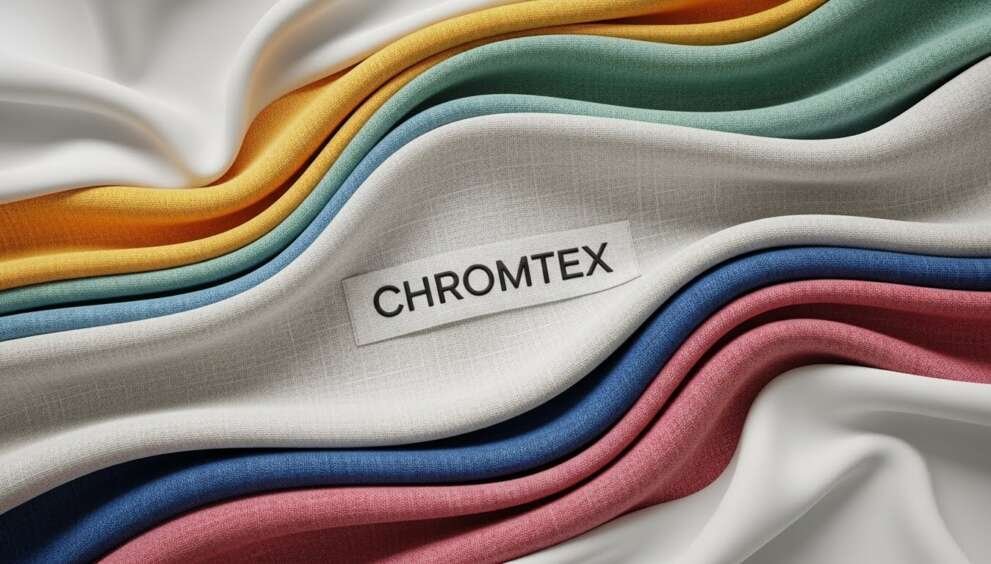
With the world not being merely a collection of things we see, sit on or put on, the word Chromtex has now started to emerge as one of the meaningful indicators of transformation. It integrates textile engineering, smart performance and sustainability – providing a new take on what fabrics and materials can do. Be it your interest in fashion, use of industrial textile in industry applications, or your mere interest in knowing how the world surrounding us is changing, Chromtex welcomes to explore the development of the modern fabric world a bit closer.
What is Chromtex?
Chromtex at its simplest is a new generation of textiles that is more generally, engineered materials, which incorporate innovative fibers, intelligent engineering and sustainable production techniques. One of the articles defines Chromtex as a fabric, which reacts to changes in the environment and body within the real time and is based on the premises of adaptive technology, sustainable sourcing and high performance.
Basically, Chromtex is built upon the classic fabric paradigms, threads, weaves, dyes and pushed to extremes: stronger, smarter, more resistant and closer to the modern lifestyle. It is a combination of textile heritage and the innovation of the future.
The Evolution of Textiles and Why Chromtex Matters
Fabric has been a crucial part of human culture: it has kept us safe outside, helped us to dress or served as an industry. However, the modern needs are way beyond color and comfort. Individuals desire a material that breathes, controls the temperature, wears and tears as well as incorporates technology.
This is the area that Chromtex comes in. Chromtex takes a step forward by being able to marry advanced fiber treatment, dye-binding process and performance enhancement that is no longer just a piece of cloth, but a piece of material. An example is clothing that contains adaptive fibers, which can change its characteristics according to the temperature or humidity, which can be used in various ways throughout the year.
Key Features of Chromtex Materials
Why is Chromtex different from conventional textiles? Several features stand out:
To start with, durability and longevity. Chrometex technologies increase the life span of fabrics and make them resistant to fading, abrasion and wear by designing fabrics with stronger bindings, more effective fiber compositions and protective treatments.
Secondly, adaptability of performance. Chromtex fabrics can alter their attributes depending on the environment- be it airflow in the hot seasons, insulating in the cold season, moisture control or sun control. Such flexibility implies that the user compromises less.
Thirdly, sustainability and smarter production. Most materials of Chromtex type, are focused on the use of recycled fibers, less water consumption during the dyeing process and standards that match eco-certifications. The fashion world is becoming conscious of the fact that there is an environmental cost to fabric production, and Chromtex wants to minimize it through mindful design.
Real-World Applications of Chromtex
Despite the fact that the term Chromtex is still young, the number of areas of its application already is great. In clothing and athletic garment, sweatproof fabrics capable of wicking moisture, odor-resistant and capable of withstanding repeated laundry cycles are being sought after. The solution to that requirement is provided by chromtex materials which incorporate engineered fibers and protective finishes.
In the field of technical textiles, which are taken as uniforms, outdoor equipment, industrial fabrics, the demand is durability, safety and comfort. Chromtex can provide flame protection, chemical protection, greater strength and extended life and therefore can be used in this kind of application.
In the lifestyle and luxury sectors, Chromtex offers fabrics that are excellent in storing colour, do not fade easily, and maintain their feel, so clothes or furniture fabricated by them last longer within their luxury feel. One of the articles observed the way designers are becoming more attracted to Chromtex due to its combination of appearance, feel and functionality.
Sustainability and the Chromtex Vision
The sustainability story is one of the most interesting things about Chromtex. The conventional systems of textile manufacturing usually consume massive quantities of water, chemicals and energy. Chromtex will seek to do so with the help of closed-loop systems, recycled inputs and environmentally friendly treatments.
In the case of Chromtex fabrics, an example of this is by binding the dye into the fibers more firmly so that it does not require re-dyeing frequently or replacing. It implies reduced strain to the environment. In addition, longer life cycle materials are designed, thus, minimizing waste due to less replacement.
When we refer to Chromtex we are referring not only to a product but also to a material philosophy: environmental friendliness, consideration of resources consumption and devotion to wiser production. It is all about counting every thread.
Challenges and What the Future Holds
Just like any other innovation, Chromtex has got issues. High end production is normally more expensive in the first place. There might be a higher cost to consumers to purchase clothes or materials produced using the Chromtex technology. There can also be a problem of scale to production- large-scale production of adaptive materials involves investment and experience.
Another hurdle is awareness. There are numerous consumers, who consider fabric as something comfortable or fashionable. The notion that a piece of cloth can transform its actions, become more resistant to the surrounding factors or be much more durable is yet to be explored. Communication and education will be important.
The future of Chromtex is bright. More integration of smart fabrics may be visible- fabrics that track health, control climate or have sensors. Chromtex is at the crossroads between wearable technology and sustainable design as well as textile engineering. With these areas coming together, products such as Chromtex may gain more popularity.
Why It Matters to You
You may be asking yourself what is the reason why you should care about Chromtex. The solution can be found in the material influence on everyday life. When you purchase clothing, which is invented using the material that will last longer, feel smoother on the skin and will not wear out after a short period of time, your wardrobe becomes an investment.
When the furniture or upholstery is made with Chromtex materials, you will have a home with the fabrics that resist any fading, stains and tear-up, and you will be having a comfortable and valuable home. Your buying decisions are in line with environmental and ethical concerns when production is more sustainable.
This way Chromtex is not a fad–a change of our mindset about what we cover ourselves with, sit on and live. It challenges us not to look at price and style, but to consider how it was made, how long it will last and what difference it will make.
Conclusion
Chromtex is not just a piece of cloth, it is potential. It is a material notion, which makes us reconsider the way we use textiles, what we want them to be and what role they play in our lives and our environment. Chromtex is making the future of materials quietly, whether in bettering garments to industrial fabrics revolution, in wellness-garment or environmentally responsible home textile.
When we make our selections as consumers of Chromtex materials we are making our selection of innovation, of durability, and of a considerate attitude towards design. We are saying yes to clothes that are smarter, longer and a little less harmful to the planet. And that, maybe, is really the worth of Chromtex, not what it is, but what it is.
FAQs
What exactly is Chromtex?
Chromtex is a term used to describe advanced textiles or materials engineered for enhanced performance, durability and often sustainability. It combines textile science with smart design to create fabrics that do more than simply cover.
Where are Chromtex materials used?
They are used in sportswear, outdoor gear, technical uniforms, upholstery, luxury garments and any application where durability, adaptability and premium performance matter.
Are Chromtex materials more expensive than regular fabrics?
Typically yes, initial cost may be higher due to advanced manufacturing, special fibers and sustainable processes. However the longer lifespan and performance may provide better value over time.
Is Chromtex sustainable?
Many Chromtex-type materials prioritise sustainability through recycled fibers, reduced water use and longer lifespan. While not all textiles labelled “Chromtex” will be equally green, the emphasis is often on better environmental performance.
How can I identify Chromtex in products?
Look for brand or fabric labels that mention “Chromtex”, “performance textile”, “adaptive fabric” or sustainable material claims. You can also ask for details about fiber composition, production methods and certifications.