


The Best Denture Adhesive: What I Wish Someone Had Told Me Before I Started This Journey

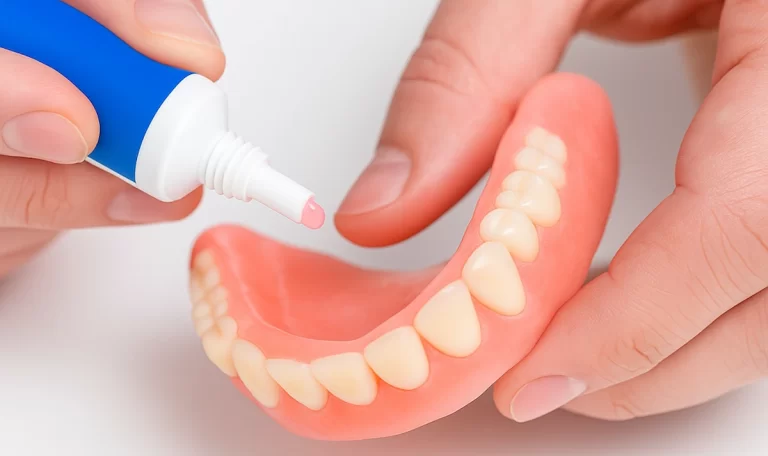
Getting dentures changed my life, but not in the way I expected. Sure, I could smile again without being self-conscious, but nobody prepared me for the great denture adhesive hunt that followed. If you’re reading this, chances are you’re dealing with the same frustrating reality I faced – dentures that seem to have a personality of their own.
I’ve been through it all. The embarrassing moment when my upper denture decided to drop during a work presentation. The time I bit into an apple and felt everything shift sideways. The countless nights spent scrubbing stubborn adhesive residue off my dentures with my fingernails because nothing else seemed to work.
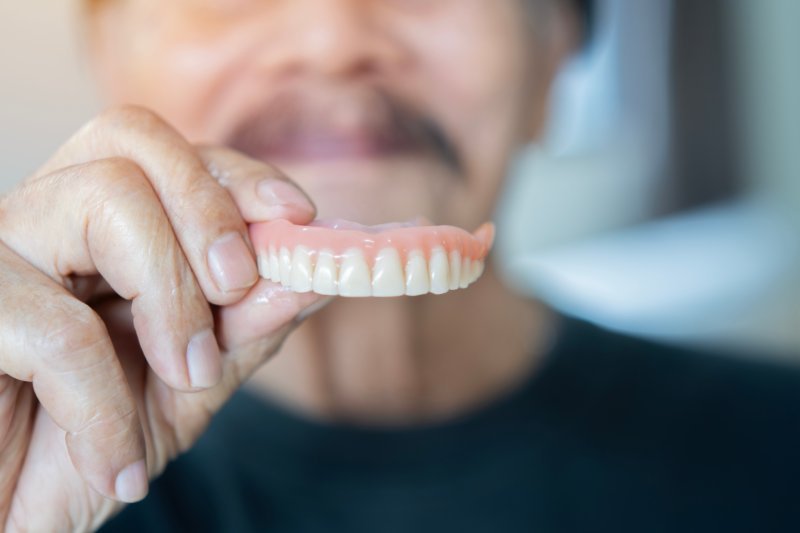
My Rocky Start with Best Denture Adhesives
When “Extra Strong” Became My Ene
I started with those “extra strong” creams, thinking bigger was better. Wrong. I’d squeeze out what seemed like a reasonable amount, pop my dentures in, and within an hour I’d have this gross, goopy mess oozing out everywhere. My wife said it looked like I was foaming at the mouth.
The worst part wasn’t even the mess – it was how impossible those super-strong formulas were to remove. I’d be in the bathroom for ages, practically scraping my gums raw trying to get all that sticky stuff off.
The Powder Learning Curve
After the cream disasters, my neighbor suggested powder. “Just sprinkle it on,” she said. “Simple as that.” Yeah, right. My first attempt looked like I’d been snorting flour. Powder everywhere except where it needed to be.
Turns out powder adhesives have their own trick. You can’t just dump it on like seasoning salt. You need to understand how your saliva works with it, how much time to wait before putting your dentures in, and most importantly, how to spread it evenly without creating lumpy spots that feel like rocks in your mouth.
What Really Matters in a Denture Adhesive
Hold That Actually Lasts Through Real Life
Forget what the packages say about “12-hour hold.” What you really need is something that survives your morning coffee, that sandwich you’re actually excited to eat, and an entire conversation without making you constantly check if everything’s still in place.
I learned the hard way that the strongest adhesive isn’t always the best adhesive. Sometimes you need something that flexes with your mouth movements instead of fighting them. Your jaw moves differently when you’re stressed, tired, or just talking more than usual.
The adhesive that changed everything for me was one that nobody had recommended. It wasn’t the most expensive or the most advertised. It just worked with my mouth instead of against it.
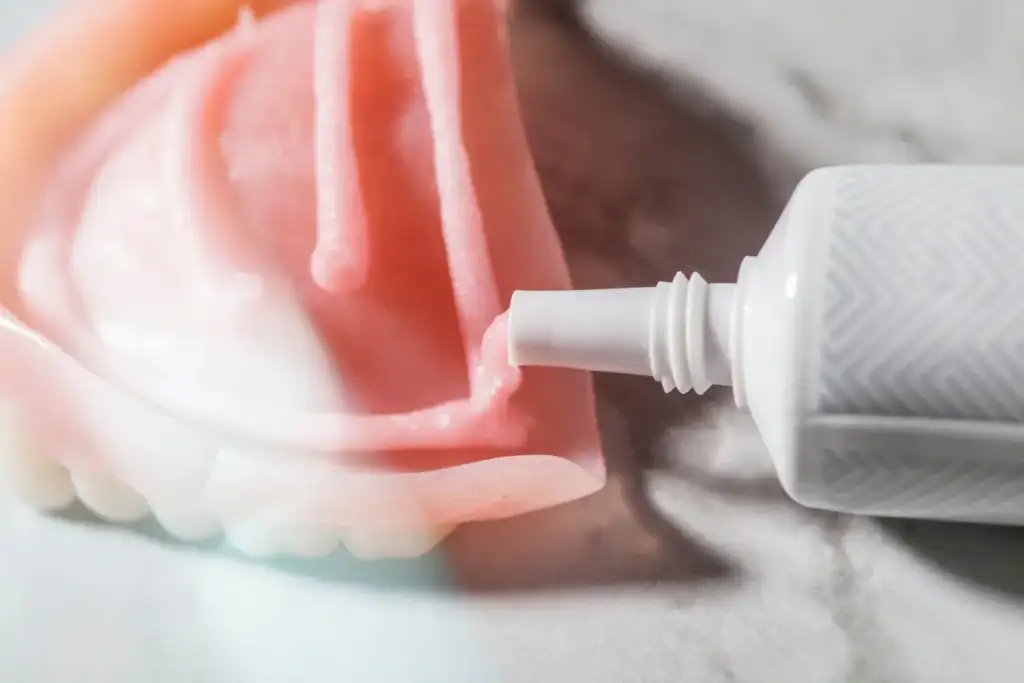
Comfort That Doesn’t Quit
Here’s something they don’t tell you in those cheerful denture commercials – if your adhesive isn’t comfortable, you’ll spend all day thinking about your dentures instead of forgetting you’re wearing them.
A good adhesive should feel like nothing at all. Not thick, not gummy, not like you’ve got a layer of putty between your dentures and your gums. When I finally found the right product, I realized I’d been tolerating discomfort for months because I thought that’s just how it was supposed to feel.
The best test? If you’re constantly running your tongue around your dentures or opening and closing your mouth to “settle” them, your adhesive isn’t doing its job.
The Types That Actually Work (And the Ones That Don’t)
Creams: When They’re Worth the Mess
I spent years thinking all denture creams were basically the same. Boy, was I wrong. The difference between a good cream and a cheap one is like comparing real butter to that artificial stuff that comes in a tub.
Quality creams don’t just stick – they actually cushion. I noticed this when I switched from my pharmacy’s store brand to something a bit pricier. Suddenly, my gums weren’t sore at the end of the day. I could actually bite into things without that sharp pressure I’d gotten used to.
The trick with creams is learning that less really is more. I used to squeeze out these long lines like I was decorating a cake. Now I use tiny dots – maybe four or five per denture – and get better hold than I ever did with those giant globs.
Powders: The Underrated Champions
Powders scared me at first. They seemed so… messy and complicated. But once I got the hang of them, I understood why some people absolutely swear by them.
The secret is treating powder like you’re seasoning food. Light, even coverage is everything. I tap the container gently, letting just a small amount fall onto my denture, then use my finger to spread it around. Wait about thirty seconds for your saliva to start activating it, then put your dentures in.
What I love about powders is how they don’t create that thick, artificial feeling. They work with your natural mouth moisture instead of fighting it.
Strips: The New Kid That’s Actually Pretty Smart
I was skeptical about adhesive strips when they first appeared. They seemed gimmicky, like something designed more for marketing than actual effectiveness. I was wrong about that, too.
Strips solve the biggest problem most of us have – figuring out how much adhesive to use. Each strip has exactly the right amount, so there’s no guessing game. No more using too little and having your dentures float around, no more using too much and dealing with the cleanup nightmare.
They’re also incredibly convenient for travel. I keep a few in my wallet for emergencies, and they’ve saved me more than once when I’ve been out longer than expected.
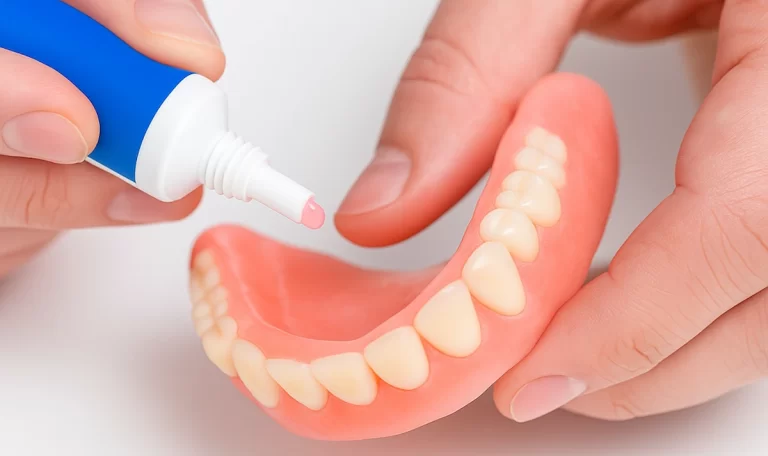
The Real Talk About Application
What Your Dentist Probably Didn’t Explain
Most dental offices give you about thirty seconds of instruction on adhesive use, which is nowhere near enough. They tell you to “use a small amount,” but never explain what that actually looks like or how to know if you’re doing it right.
Here’s what I wish someone had told me from day one: your dentures need to be completely clean and dry before you apply anything. I mean completely. Even a tiny bit of moisture or leftover residue will mess up the bond.
And timing matters more than anyone mentions. Don’t put your dentures in immediately after applying adhesive. Give it a moment to start working. I usually count to ten slowly, which gives everything time to settle properly.
The Mistakes Everyone Makes (Including Me)
I made every rookie mistake in the book. Used way too much adhesive because I thought more meant better hold. Applied it right to the edges where it would obviously squeeze out and make a mess. Tried to save time by skipping the cleaning step.
The biggest mistake, though? Giving up on products too quickly. I’d try something once, have a bad experience, and write it off forever. Now I know that most adhesives need at least three or four tries before you really understand how they work with your mouth.
Finding Your Personal Perfect Match
The Reality Check Process
Stop expecting perfection on day one. Finding the best denture adhesive for your situation is going to take some experimentation, and that’s completely normal. Even people who’ve worn dentures for years sometimes need to switch products when their mouths change or new formulations become available.
Start by honestly assessing what’s not working with your current situation. Are you dealing with slippage during meals? Discomfort after long wear? Difficulty removing adhesive at night? Different problems need different solutions.
The Three-Product Rule
Here’s my practical advice: pick three different types – a cream, a powder, and maybe strips if you’re curious. Give each one a proper week-long trial during normal activities. Don’t baby them or avoid your usual foods. You need to know how they perform in real life.
Keep notes if you can. I wish I’d done this from the beginning. Just simple stuff like “held well during lunch but got loose during dinner” or “comfortable all day but nightmare to remove.” These details matter when you’re comparing products later.
Dealing with the Practical Stuff
When Good Adhesives Turn Bad
Sometimes a product that worked perfectly for months suddenly starts failing. Before you panic and throw out the tube, consider what might have changed. Are your dentures due for adjustment? Have you started taking new medications that affect saliva production? Sometimes it’s not the adhesive – it’s everything else.
I learned this lesson when my favorite cream suddenly seemed useless. Turned out my dentures needed a simple adjustment after some natural bone changes. Once that was fixed, the same adhesive worked perfectly again.
The Social Situations Nobody Warns You About
Let’s talk about the elephant in the room – eating in public with dentures. Even with the best denture adhesive, some foods are just going to be challenging. That’s normal, and it doesn’t mean your adhesive is failing.
I’ve learned to be strategic about food choices when I’m out with people. Not because I’m embarrassed about wearing dentures, but because I want to enjoy the conversation instead of worrying about whether my teeth are staying put.
The Money Talk
What’s Actually Worth Spending On
You don’t need to buy the most expensive adhesive on the shelf, but you also shouldn’t automatically grab the cheapest. I’ve found that the sweet spot is usually somewhere in the middle – products that cost a bit more than store brands but aren’t premium-priced.
Think about cost per use rather than cost per tube. A slightly more expensive adhesive that requires less product per application often ends up being cheaper in the long run.
When to Splurge and When to Save
Some situations justify spending extra. If you’re dealing with a special event – wedding, job interview, important dinner – invest in a premium product and practice with it beforehand. Don’t experiment with new adhesives on important days.
For daily use, consistency matters more than premium pricing. A mid-range product that works reliably every day beats an expensive one that’s unpredictable.
The Bottom Line on Finding Your Best Denture Adhesive
After all my experimentation and countless conversations with other denture wearers, I’ve realized something important: the best denture adhesive isn’t a brand or a type – it’s whatever gives you back your confidence and comfort.
Some days I use cream, other days powder, depending on what I’m planning to eat or how my mouth feels. Having options means I’m never stuck with something that’s not quite right for the day ahead.
The most important thing I can tell you is this: don’t settle for “good enough.” You deserve to eat what you want, speak clearly, and smile without worry. The right adhesive is out there – you just need to give yourself permission to keep looking until you find it.
Your mouth, your comfort, your choice. Trust your own experience over marketing claims, and remember that what works perfectly for someone else might not work for you at all. That’s not a failure – that’s just being human.