

Palentu: A Traditional Dish Rich in Flavor, Culture, and History

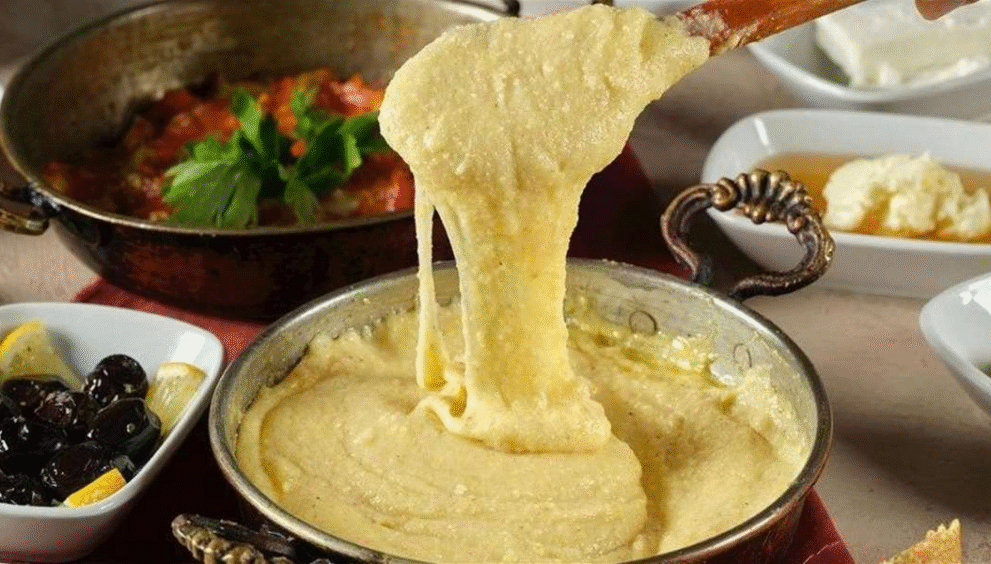
Food is more than nourishment; it is memory, heritage, and identity passed from one generation to the next. Across Europe and neighboring regions, few dishes embody this truth as clearly as Palentu. Simple in its ingredients yet profound in its cultural meaning, Palentu has sustained families for centuries, evolving from humble origins into a dish celebrated in both home kitchens and modern gastronomy.
Often associated with cornmeal-based traditions similar to polenta or mămăligă, Palentu stands as its own regional expression shaped by geography, history, and local customs. Today, as global cuisine increasingly values authenticity, whole grains, and gluten-free staples, Palentu is enjoying a well-deserved revival.
What Is Palentu?
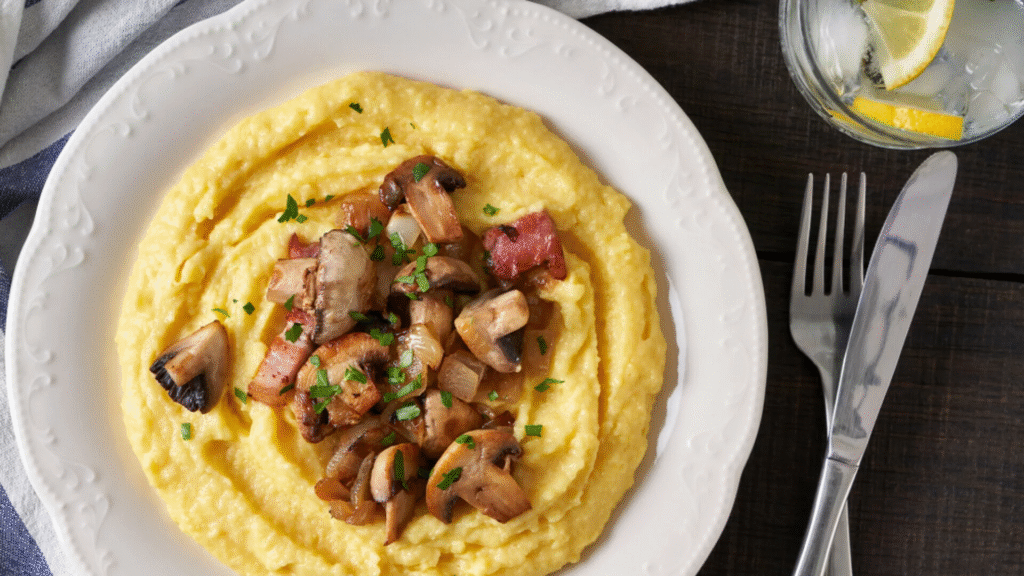
Palentu is a traditional dish made primarily from cornmeal cooked in water, milk, or stock until it reaches a creamy or firm consistency. Depending on preparation and regional preference, it may be served soft and spoonable, or cooled and sliced for grilling or frying.
In many regions, Palentu is closely related to polenta, though the name reflects local dialects and cultural traditions, particularly in parts of Italy, the Balkans, Eastern Europe, and surrounding areas. While the base concept remains consistent, Palentu’s identity is defined by how it is prepared, served, and shared within each community.
At its heart, Palentu is valued for:
- Its comforting texture
- Its ability to absorb bold flavors
- Its role as a staple food during both hardship and celebration
The Origins and History of Palentu
Ancient Roots of Grain-Based Porridges
Long before corn reached Europe, civilizations relied on grain porridges for sustenance. The ancient Romans referred to similar dishes as pulmentum a cooked grain mixture eaten by soldiers and rural communities. These early preparations laid the foundation for what would later become Palentu.
The Arrival of Corn in Europe
When maize was introduced to Europe in the 16th century, it quickly replaced older grains in many regions due to its resilience, affordability, and high yield. Communities adapted existing cooking methods to this new ingredient, giving rise to cornmeal-based dishes like Palentu.
A Dish of Survival and Community
For centuries, Palentu served as a dietary cornerstone for rural populations. It was affordable, filling, and adaptable capable of sustaining families through harsh winters or economic hardship. Over time, it became embedded in cultural rituals, festivals, and family traditions.
What began as survival food eventually transformed into a symbol of resilience, hospitality, and shared heritage.
Palentu vs. Polenta: Are They the Same?
The short answer: they are closely related, but context matters.
- Polenta is the widely recognized Italian term for cornmeal porridge.
- Palentu is a regional name used in specific communities, often reflecting local customs and preparation styles.
While the ingredients and cooking techniques are similar, Palentu may be:
- Served with different accompaniments (yogurt, white cheeses, rustic stews)
- Cooked to a firmer or looser texture, depending on tradition
- Associated with specific cultural rituals rather than restaurant cuisine
From a culinary standpoint, Palentu follows the same fundamental principles—but culturally, the name carries local identity and heritage.
Key Ingredients of Traditional Palentu
One of Palentu’s greatest strengths is its simplicity. A few quality ingredients, handled with care, produce remarkable flavor.
Core Ingredients
- Cornmeal (coarse, medium, or fine grind)
- Water, milk, or stock
- Salt
Optional Enhancements
- Butter or olive oil for richness
- Cheese (local white cheese, feta, Parmesan, or regional varieties)
- Herbs such as rosemary or thyme
- Black pepper or chili flakes
- Vegetable, chicken, or meat stock
The quality of the cornmeal and patience during cooking make the biggest difference in the final dish.
How to Prepare Palentu (Traditional Method)
Classic Creamy Palentu
- Bring water, milk, or stock to a gentle boil.
- Add salt and slowly whisk in cornmeal to avoid lumps.
- Reduce heat and simmer, stirring frequently.
- Cook for 25–40 minutes until smooth and tender.
- Finish with butter, olive oil, or cheese if desired.
Firm Palentu for Grilling or Frying
- Use slightly less liquid.
- Cook until thick.
- Pour into a tray, cool, and refrigerate.
- Slice and grill or pan-fry until golden.
Palentu rewards slow cooking and constant attention, allowing the cornmeal to soften fully and develop a deep, comforting texture.
Regional Variations of Palentu
Italy
Often served with meat ragù, mushrooms, or melted cheese. Both creamy and firm versions are popular.
The Balkans
Commonly paired with yogurt, sour cream, or white cheese. Often eaten at breakfast or during festivals.
Romania & Moldova
Known as mămăligă, typically firmer and served alongside meats, pickled vegetables, or eggs.
Modern International Cuisine
Used as a gluten-free base for gourmet dishes, layered entrees, and creative vegetarian meals.
Each variation reflects the local palate, available ingredients, and cultural rhythm of life.
Nutritional Value and Health Benefits of Palentu
Palentu is not only comforting it is nutritionally valuable.
Health Highlights
- Naturally gluten-free
- Source of complex carbohydrates
- Low in fat when prepared simply
- Gentle on digestion
- Provides energy and satiety
Nutritional Overview (Approximate per serving)
- Calories: 150–200
- Carbohydrates: 35–40g
- Protein: 4–5g
- Fat: 1–2g
- Fiber: 1–2g
When paired with vegetables, legumes, or protein, Palentu becomes a balanced, wholesome meal.
Cultural Significance of Palentu
Palentu represents far more than food it is tradition on a plate.
- Prepared during family gatherings and festivals
- Shared communally, reinforcing bonds
- Passed down through generations
- Symbolizes endurance, simplicity, and hospitality
In many households, the act of making Palentu is a shared ritual, where knowledge is transferred through experience rather than written recipes.
Palentu in Modern Cuisine
Today, Palentu has found renewed appreciation among chefs and home cooks alike.
- Featured in plant-based and gluten-free menus
- Elevated with gourmet toppings like truffles or wild mushrooms
- Used in fusion dishes and contemporary plating
- Adapted for busy lifestyles using modern appliances
This revival reflects a broader culinary shift toward heritage foods with modern relevance.
Common Misconceptions About Palentu
- “It’s bland” — Proper seasoning and pairings transform Palentu into a flavorful canvas.
- “It’s outdated food” — Palentu now appears in modern and fine-dining contexts.
- “It’s difficult to make” — Simplicity and patience are the only requirements.
FAQs
Is Palentu gluten-free?
Yes, cornmeal is naturally gluten-free.
Is Palentu the same as polenta?
They are closely related; Palentu reflects regional identity and tradition.
Can Palentu be fried or grilled?
Absolutely, once cooled and firm, it is excellent for frying or grilling.
How long does Palentu take to cook?
Traditional cooking takes 25–40 minutes; instant versions are faster but less flavorful.
Why Palentu Still Matters Today
Palentu endures because it adapts. From survival food to cultural icon, from rural kitchens to modern menus, it bridges past and present with quiet confidence. Its simplicity allows creativity, its history commands respect, and its flavor delivers comfort.
In an age of rediscovering authentic, nourishing food, Palentu stands as a reminder that the most enduring dishes are often the simplest ones.
Whether enjoyed traditionally or reimagined for modern tastes, Palentu remains a dish rich in flavor, culture, and history and one that continues to bring people together around the table.
Read More about Top Benefits of Olive Oil – Nutrition, Skin Care & Heart Health Explained