


Is Olive Oil a Seed Oil? Clearing Up the Confusion

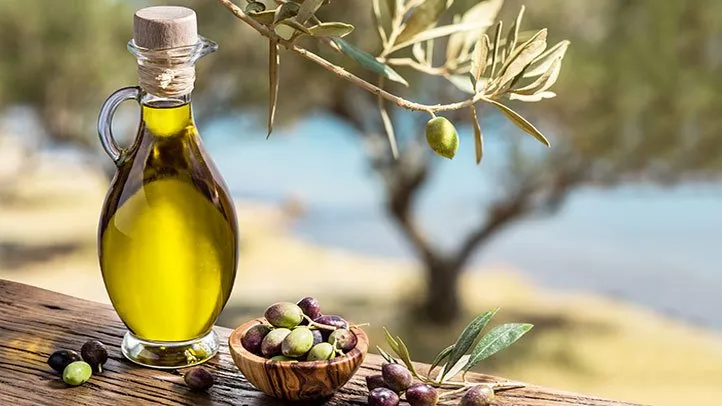
Is olive oil a seed oil? The answer to this question is in the negative. Olive oil is not produced using seeds, but the fruit of the olive tree. This is more than a botanical difference and it has significant implications on the production of olive oil, its composition and how it reacts to both cooking and your body.
Olive oil has been confused with the term vegetable oil by many individuals and in addition, many people believe that this is a seed oil yet it is a fleshy part of the olive fruit. Conversely, typical seed oils such as canola, sunflower or soybean oil are obtained as a result of extracting the seeds. This is important because the step of extracting oil out of fruit is rather different, and less harsh, than seed oil is done.
How Olive Oil Is Made – And Why It’s Not a Seed Oil
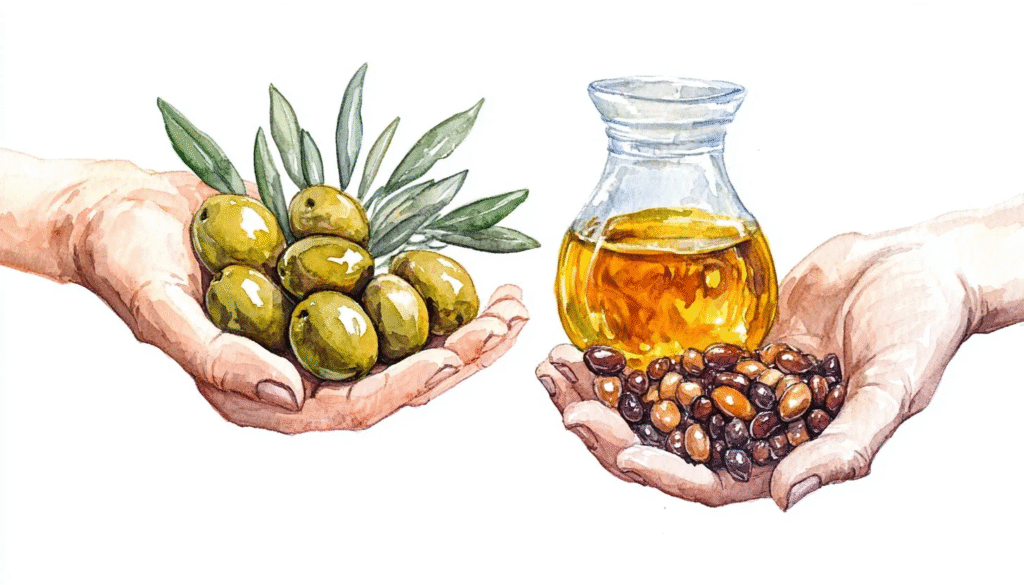
When the olives are picked, they are pressed or crushed or milled in order to extract the oil to the pulp. Olive oils and extra virgin olive oil in particular are also highly sought after due to their quality production through cold-pressing, which does not remove much of the natural antioxidants and delicate nutrients that are so sought after in olive oils. This is a mechanical extraction that does not involve a lot of the harsh processes required to extract some seed oils.
Conversely, most seed oils are processed more intensively, i.e. the seeds are pressed or incubated with solvents (such as hexane), and refined, bleached and deodorized. These techniques are effective in extracting as much as possible out of small seeds, but they also remove numerous useful compounds.
As a result of this difference in production, the nutrient profile is different. Olive oil contains high amounts of monunsaturated fats and oleic fat, in particular, constitutes a large part of its fat composition. Polyunsaturated fats, especially omega-6 fatty acids are more common in seed oils and are prone to instability during heating, at least according to critics.
Why the Distinction Matters for Health
Due to the fact that olive oil is a fruit oil which varies from is olive oil a seed oil, its fat structure and antioxidant properties make it a very different replacement of seed oils. Monounsaturated fat is plentiful in the olive oil, which contributes to its oxidative resistance compared to most of the polyunsaturated seedoils. This implies that olive oil will be more stable when it is employed in daily cooking.
Other natural antioxidants include polyphenols, vitamin E that are present in olive oil. These molecules are mostly maintained due to the softer extraction process and have helped in most of the health benefits of olive oil including maintenance of heart condition and minimizing inflammation.
Other nutritionists have indicated that not all seed oils are bad in their own right but their wide consumption in fried and processed food may lead to overconsumption of some types of fats. Olive oil is considered to be healthier in cooking since it is a natural fruit oil.
One more significant detail: since the olive oil is usually less refined, it is more flavorful. It tastes peppery to grassy or fruity depending on the nature of the olives and the nature in which it was prepared. Such a taste can be used to add flavor to food by a natural process, without heavy sauces or artificial preservatives.
Common Misconceptions and Risks to Watch For
A myth that is commonly used is that olive oil is always pure and untainted. As a matter of fact, some of the olive oils are adulterated with seed oils , is olive oil a seed oil since it is popular and more expensive. This practice becomes a watering down of the pure olive oil and may conceal a blend of oils that are not of the same health benefits, as opined by critics. It is then quite critical to select a well-known brand and seek quality markers (including the use of extra virgin, and the place of origin).
The other myth is on smoke point. It is also thought by people that olive oil is easily burnt but good quality of olive oils, particularly refined oils, can withstand moderate temperatures. However, since olive oil is a fruit oil with fragile components, it would be prudent not to subject it to intense high temperatures in order to retain flavor and nutrients.
Lastly, though there is no doubt that olive oil is usually healthier, it is high in calories. Cooking oil may contain additional calories in the event that it is overused and moderation is mostly the way to go.
Practical Tips for Using Olive Oil Wisely
Olive oil is also beneficial and to maximize its benefits, apply it in a manner that brings out its best. Extra virgin olive oil is also used in salads, dressings, drizzing over cooked food, and is also of high quality where it is the flavor and antioxidants that shine. In cooking, olive oils with better smoke points or refined ones should be used to do some light sautéing or roasting.
You should keep your olive oil in a cool dark environment, and use opaque glass or dark containers so as to maintain the quality of your olive oil. To ensure that you do not get adulterated or low quality oils, always look at the label, harvest dates, certification and purity. A health-conscious thing you can do in your kitchen is to replace part of the seed oils with olive oil, however, you should ensure that the olive oil you purchase is the real olive oil.
Conclusion
Denied that Is Olive oil a seed oil, it is a fruit oil, full of monounsaturated fats, rich in antioxidants and pressed and not highly refined using heavy chemicals. This is what makes it unique as compared to plant based oils in terms of health as well as in culinary use. By selecting a good quality, pure olive oil, you are adopting an ingredient that is perennial, nutritious and has the ability to add flavor and richness to food and serve as an example of refined nutrition.
FAQS
Is olive oil derived using the olive seed or the olive pit?
No olive oil is mainly produced using the flesh (pulp) of the olive fruit. Although the olive contains a pit, oil is not typically extracted out of the seed contained in the pit, but out of whole olives.
Is being a fruit oil what causes olive oil to be healthy as compared to the seed oils?
It can. This means that due to more monounsaturated fats and antioxidants, olive oil is more likely to be more stable and healthier than most refined seed oils. Nevertheless, healthier also lies on the way the oil is processed, stored and utilized.
Is it possible to combine olive oil and seed oils?
Yes, adulteration can happen. Certain olive oils are mixed with cheaper seed oils and thus one should purchase by reputable brands, extra virgin labels and origin or certification.
Can high-heat cooking be done using olive oil?
Cooking in olive oil is ok, although be careful. Extra virgin olive oil is not perfect in extremely hot frying. Use fine versions or other oils that are used in high-heat cooking.
Why do individuals not take seed oils when they can take olive oil?
Others shun seed oils because they are worried that they will oxidize, contain too much omega-6 or that they have undergone chemical processing. Olive oil has been appreciated by its natural extraction, antioxidant, and stable fat composition.