


Coffee Filter: A Small Tool That Makes a Big Difference

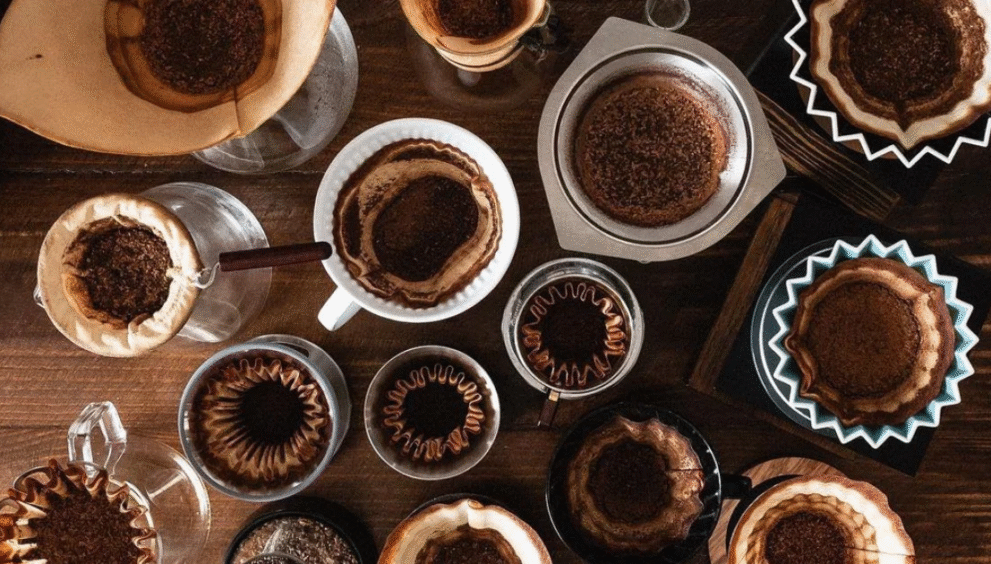
The smell of freshly brewed coffee in the air is somehow very calming. Coffee has become part of the day of millions of people worldwide whether it is the first thing you see in the morning or a pick-me-up in the middle of the afternoon. The secret of any perfect cup is, however, an unsung hero, the coffee filter. It might appear to be a mere piece of paper or cloth, but it is very instrumental in determining the taste, clarity, and quality of your brew.
We will discuss in this article what a coffee filter actually is, the various kinds that are offered, how to select the one that suits your particular style of brewing and why this small object should be given the respect that it is not usually afforded.
What Is a Coffee Filter and Why Does It Matter?
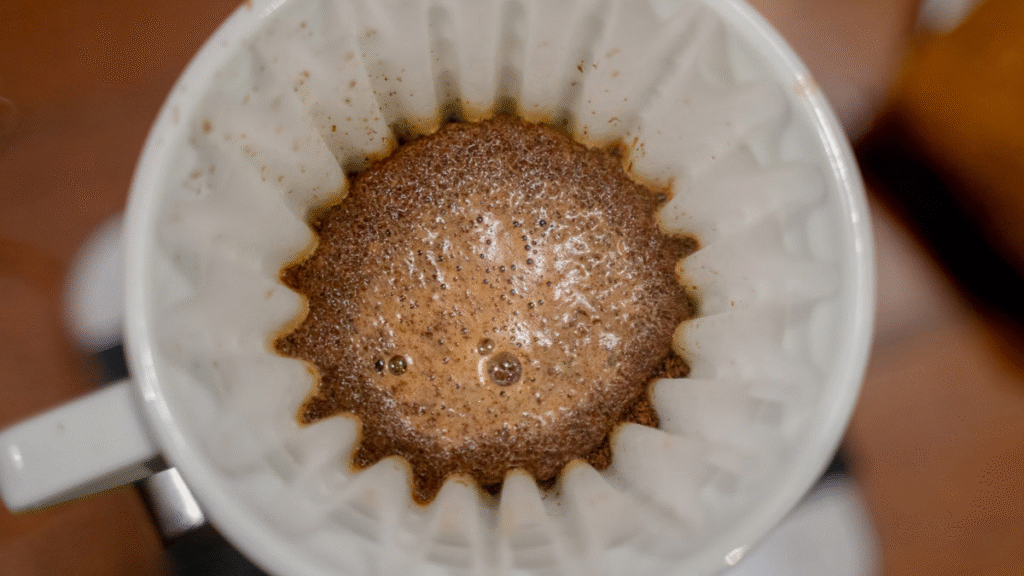
The coffee filter only has one task, which is to get the coffee grounds and the liquid into two parts. Hot water moves through the grounds during brewing and it removes flavor, aroma and essential oils. The filter then retains the grounds and only the brewed coffee passes through.
Not every filter is made equal. The coffee filter has material, thickness and structure, which affect the taste, strength and even the texture of your content. The filter with more oils will pass through will result in a fuller cup. Filtering will produce a smoother, more refined flavor on the other hand.
It is interesting to consider that there is a big difference in coffee experience that a small item can offer.
The History of the Coffee Filter
The coffee filter as it is today was invented in 1908 by a German housewife by the name Melitta Bentz, who was active in her frustrations with the bitter and left-over qualities of the traditional coffee making methods. She made holes in a tin cup and lined it with a piece of blotting paper out of her son. It produced a smoother and cleaner cup of coffee- and the modern coffee filter was born.
Her invention was a revolution in home brewing and later gave way to the invention of the Melitta brand that is known to this day in every household. The concept has been transformed over the years with different materials and designs being developed, however, the fundamental principle has not changed.
Types of Coffee Filters
The type of coffee filter you use can significantly impact your cup. Here are the most common types and how they differ:
1. Paper Filters
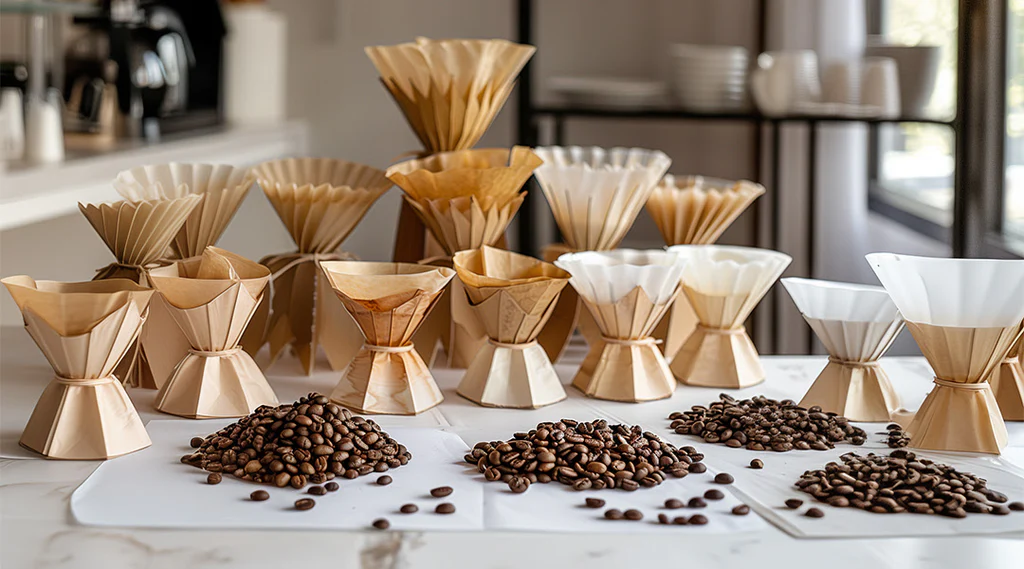
The most popular and the most commonly available are paper filters. They are conveniently made and serve a clean crisp cup of coffee.
- Bleached vs. Unbleached: Bleached filters are white, as they have been treated (usually with oxygen, and no longer usually with chlorine) to neutralise the brown natural colour of paper. Unbleached filters are more friendly and can give a slight paper flavor unless they are rinsed.
- Best for: Drip coffee makers, pour-over brewers, and anyone who prefers a bright, light-bodied coffee.
2. Metal Filters
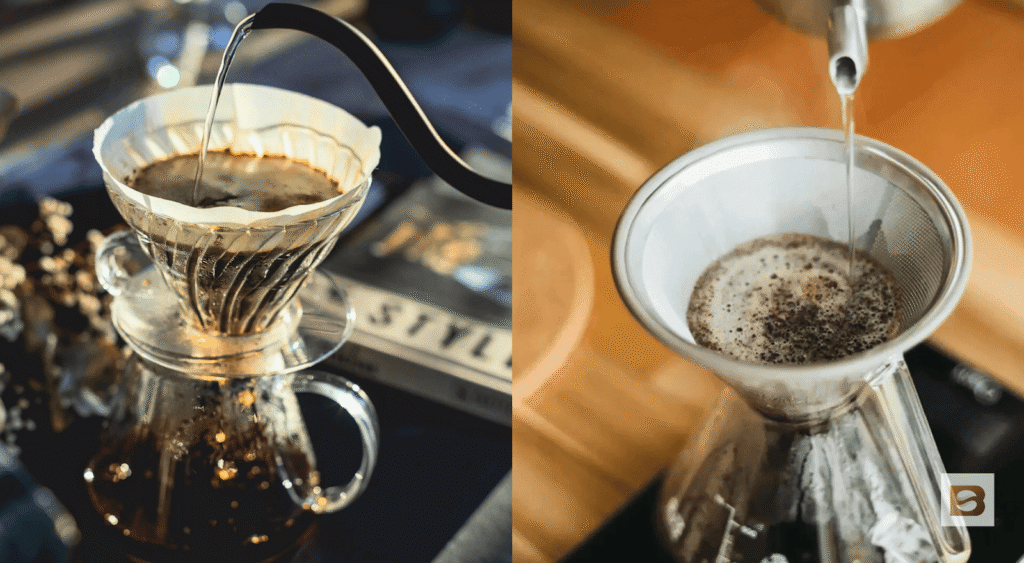
The fine mesh stainless steel or gold-tone material is used to make metal filters. They are of recyclable quality, durable and environmentally friendly. They also permit the passage of more oils and fine particles unlike paper filters thus making a cup richer in body and more aromatic.
- Best for: French press, espresso machines, and pour-over systems like the Chemex with a metal cone.
- Ideally suited to: French press, espresso makers and pour-over, such as the Chemex with a metal cone.
3. Cloth Filters
Cloth filters are less common but beloved by coffee enthusiasts for their balanced results. They filter out most fine grounds while letting through more oils than paper.
- Best for: Pour-over and siphon coffee makers.
- Maintenance: Must be washed and dried properly after each use to prevent mold or odor.
4. Permanent Plastic or Nylon Filters
Some modern coffee machines come with reusable nylon or plastic mesh filters. These are convenient and reduce waste, though they might not match the flavor precision of paper or metal filters.
How to Choose the Right Coffee Filter
The selection of coffee filter will be based on how you will be brewing your coffee, taste and lifestyle. Paper filters can be the best option in case you wish to have a cup of coffee that is clean, light, and smooth. They are famed to extract oils and fine particles leaving a crisp and clear brew product that brings out subtle flavors. Conversely, when you want a stronger, fuller-bodied cup, and you want it to have oils and depth, then you have metal filters. They permit a greater amount of natural oils in the coffee grounds to go through, forming a more intense flavor profile.
Cloth or metal filters are a great choice as far as the environmentally conscious ones are concerned. With proper care, these filters can last several years hence reducing wastage as you still enjoy quality coffee. In the meantime, in case you are always in a hurry in the morning and time is a precious factor, disposable paper filters can be a quick and convenient way.
Finally, the appropriate filter must match your coffee beans as well as your type of brew. Even very good beans may be ruined should they be used with the wrong filter, so it takes a little time to find out the best match and enjoy it.
How to Use a Coffee Filter Correctly
The fact that it may seem easy to use a coffee filter, however, minor details matter. Begin by washing your filter prior to use particularly when using paper or cloth. Once the rinse in hot water is done, you can proceed with the brewing machine and rinse it with hot water to remove any paper flavor and preheat the brewing machine to make the flavor process of the brewing machine easier.
The second thing to do is to select the appropriate grind size. Select the appropriate coffee grind with your brewing technique: a fine grind is optimal with espresso, a medium grind with drip coffee, and a coarse grind with the French press or pour-over coffee.
You should also know how to measure your coffee. The rule of thumb, which is the most crucial, is to add one to two tablespoons of ground coffee in every 6 oz. of water, although this can be adjusted according to the preference of strength. When brewing, make sure that water is spread evenly all over the coffee beans.
This will draw out the flavors in a uniform manner and will avoid bitter and weak spots in your cup. These few details could be paid attention to, and this simple thing could make an ordinary cup of coffee an outstanding experience.
Sustainability and Coffee Filters
With the increased awareness of people as environmentalists, there is a significant number that is reconsidering the harm that disposable coffee filters pose to the environment. Fortunately, there are a number of environmentally friendly alternatives, which fit in a more eco-friendly lifestyle. A good alternative is compostable paper filters that are created by using unbleached paper or bamboo, as they disintegrate to cause no damage to the environment. Another option that is excellent is the usage of reusable metal and cloth filters which end up saving money in the long term since there is no single-use waste.
By using disposable filters, even when you do that, there are responsible practices in which to use them. The used coffee grounds can also be composted to the garden soil to fertilize it, a lot of paper filters can also be composted to fertilize your garden soil. Such a simple, environmentally friendly act will contribute to the reduction of waste and enhance significance and responsibility to your day-to-day coffee ritual.
Common Myths About Coffee Filters
Coffee filters have a number of misconceptions that have easily caused confusion. The myths that are common include that bleached paper filters are not safe. Most bleached filters in real sense are treated using oxygen instead of harmful chemicals and would be safe to use, as they are totally safe.
The other myth is that filters do not all have the same effect on flavor. This is far otherwise and now there are a variety of filters that vary in the amount of oil, sediment and aroma that passes through them and this greatly affects the flavor and the texture of your brew.
Others have the view that metal filters are not easy to maintain or clean. Nonetheless, metal filters are very easy to operate and can serve several years without any fault with proper cleaning.
These little details might be used to make a large difference in the way you handle your daily coffee ritual, which is how you select the right tools with sufficient assurance and appreciation.
Caring for Your Coffee Filter
Careful keeping of your coffee filters in a good state and preserving the coffee quality is necessary. Paper filters are the easiest to handle, as one can use, and then compost them. Paper filters are not supposed to be used again, it will have an adverse impact on the flavor and consistency of your coffee.
Cloth filters need a little bit more care; now they should be rinsed right after use, sometimes boiled to clean them, but they must always be allowed to air dry to the last drop otherwise they will mold.
Metal filters however, should be washed using warm water and mild soap after each use. To clean them better, one can sometimes place them in vinegar and water mixture and leave it to dissolve the oils and accumulation. Cleaning on a regular basis makes sure that your coffee always has a pure and balanced taste and you can enjoy every single drop.
The Little Things That Matter
Filtering coffee may be viewed as insignificant in comparison to the beans or the apparatus used to prepare coffee, but they are the unsung heroes in your routine. They barely make it to the taste and feel of your coffee and make a normal cup warm and cozy.
Next time you brew, take a moment to appreciate the filter doing its silent work behind the scenes. That tiny piece of paper, cloth, or metal is what stands between a murky mess and your perfect morning pour.
Final Thoughts
The coffee filter can be diminutive, yet it is powerful when it comes to its influence. Since the first creation by Melitta Bentz and the many different varieties of environmentally friendly and high functionality models present today, this small device still manages to shape the coffee experience of millions of people in the world.
Such a process of selecting a proper filter and cleaning it, using it correctly and preserving it can turn your everyday cup into something amazing. Thus the next time you take that first drink, you should bear in mind that it is not only about the beans or the machine but also about the filter working silently to give you a perfect brew.
FAQs About Coffee Filters
1. What type of coffee filter makes the best coffee?
Really, the most appropriate coffee filter is one that will suit your taste and way of brewing. Paper filters produce a lighter cup and the metal filters produce a richer fuller bodied brew. You can go ahead and try both and find out which one will suit your taste.
2. Can I reuse coffee filters?
Certainly, metal and cloth filters can be cleaned and reused over years, but paper filters should be used once. Paper filters also have the potential of influencing your coffee taste and quality, which is why it is good to compost them after one cup.
3. Are coffee filters biodegradable?
Yes, most paper coffee filters are biodegradable, especially those made from unbleached paper or bamboo. You can even compost them along with used coffee grounds for an eco-friendly disposal method.
4. Does the type of coffee filter affect taste?
Absolutely. The filter you apply would dictate the amount of oil and sediment to go into the cup. The paper filters absorb most of the oils to give a smoother taste whereas the metal filter allows more oils to pass giving a stronger and more aromatic brew.
5. How do I clean a reusable coffee filter?
Rinse your metal or cloth filter right after use to remove grounds. For deeper cleaning, wash with warm water and mild soap or soak it in a vinegar-water mix once in a while. Keeping your filter clean helps your coffee taste fresh and pure every time.