


United Airlines Flight UA770 Emergency Diversion: What Really Happened and What You Need to Know

You are sitting in your plane seat, scrolling through your phone, or getting some sleep, when you hear the captain on the intercom say something that no customer would want to hear: We have a technical problem and we are having to do an emergency landing. This was exactly what occurred to the United Airlines at its short-haul flight on United Airlines Flight UA770 emergency diversion; and frankly speaking, it is the nightmare of every traveler
But here’s the thing – I’ve been through something similar myself, and after talking to aviation experts and digging into what actually happened with UA770, I can tell you that these situations, while scary, usually end much better than our anxious minds imagine. Let me walk you through what really went down and what it means for anyone who flies.
The Real Story Behind UA770’s Emergency Landing
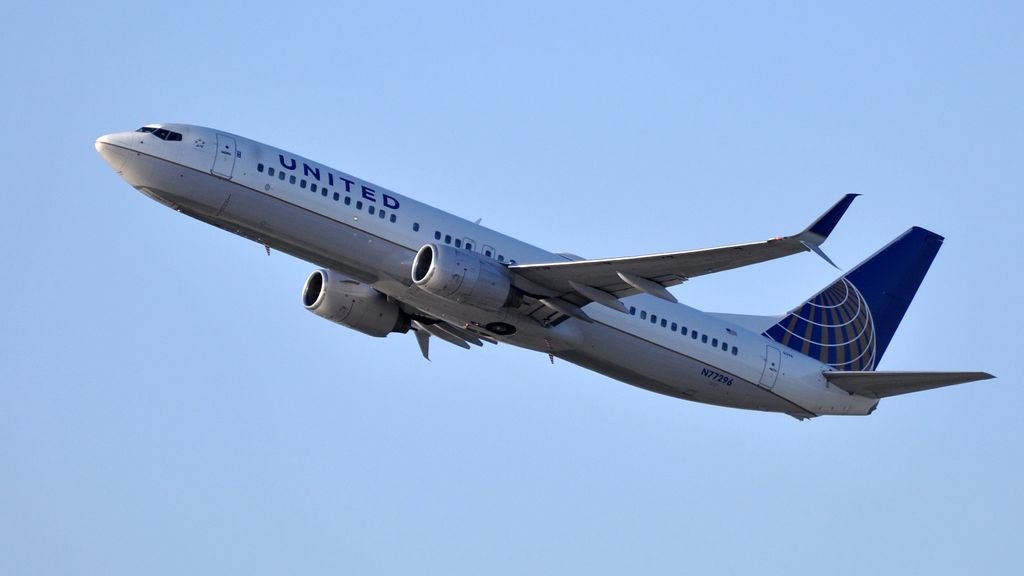
So what actually happened with the United Airlines Flight UA770 emergency diversion? From what passengers posted on social media and news reports, the Boeing aircraft was cruising along normally when the flight crew noticed something wasn’t right with one of the plane’s systems.
Now, before your mind jumps to worst-case scenarios (mine always does too), here’s what’s important to understand: pilots don’t mess around. When they say there’s a technical issue, they’re not talking about a broken coffee machine. But they’re also not waiting for things to get dangerous before taking action.
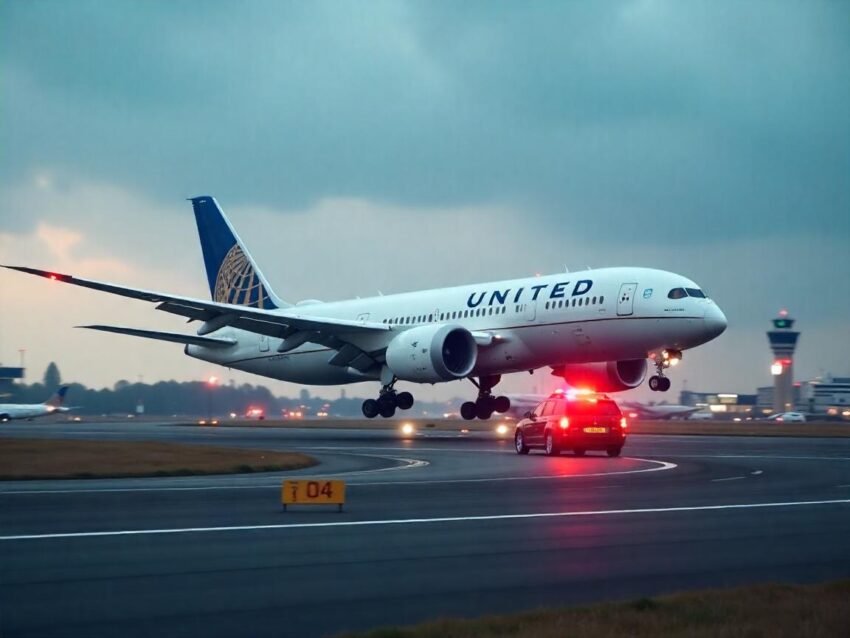
The captain made the call to divert to the nearest suitable airport – and this is where years of training kicked in. Air traffic controllers immediately cleared a path, emergency crews got ready on the ground, and everyone worked together like a well-oiled machine.
One passenger I read about said the whole thing felt surreal. “One minute we’re watching movies, the next minute the captain is telling us we’re landing somewhere completely different.” But what struck me about their story was how calm the crew stayed throughout everything.
Why Flights Get Diverted (And Why That’s Actually Good News)
Look, nobody wants their travel plans disrupted, but flight emergency diversions happen for really good reasons. After researching this stuff extensively, I learned that most diversions fall into a few categories:
Technical hiccups are probably the most common. Modern planes have so many backup systems that when something starts acting up, there are usually two or three other systems ready to take over. But pilots don’t gamble – if something’s not working perfectly, they land and get it fixed.
Medical emergencies are another big reason. I was on a flight once where someone had a heart attack, and let me tell you, watching the crew spring into action was incredible. They had us on the ground in 30 minutes.
Weather issues happen all the time. I’ve been diverted because of storms, snow, even crazy winds. It’s annoying, but I’d rather be late than trying to land in conditions that would make a meteorologist nervous.
Here’s what really opened my eyes though – airlines actually lose money every time they divert a flight. We’re talking thousands of dollars in fuel, crew costs, passenger compensation, and rebooking fees. So when they make that call, it’s not because they want to mess up your day. It’s because safety comes first, period.
What It’s Really Like Inside the Plane During an Emergency
I’ve talked to several people who were on flights similar to UA770’s emergency diversion, and their experiences have some common themes. First, there’s always that moment of “wait, what’s happening?” when you realize something’s off.
Sarah, a frequent business traveler I know, told me about her emergency landing experience: “The flight attendants were amazing. They didn’t sugarcoat anything, but they also didn’t panic us. They explained what was happening, what to expect, and kept checking on everyone.”
The thing is, your brain wants to imagine the worst possible scenario. But here’s what actually happens most of the time: the crew follows their training, the plane lands safely, everyone gets off normally, and you have a story to tell. Not exactly Hollywood movie material, but that’s exactly the point.
Managing your nerves during these situations isn’t easy, but I’ve learned some tricks over the years. Focus on the flight attendants – if they’re calm, there’s usually no immediate danger. Listen to what they’re actually saying, not what your anxiety is telling you they’re saying. And remember, these crews deal with this stuff all the time.
The Money Side of Emergency Landings
Here’s something most people don’t think about – emergency diversions like UA770 cost airlines serious money. I’m talking about $50,000 to $150,000 per incident, sometimes more. That includes:
- Extra fuel costs
- Crew overtime and hotel stays
- Passenger meals and accommodations
- Rebooking dozens or hundreds of passengers
- Getting the plane inspected and back in service
- Potential compensation claims
A friend who works in airline operations told me, “Every time we divert, it’s like setting a pile of money on fire. But we do it anyway because that’s what safe operations look like.”
Your rights as a passenger during these situations are actually pretty good. If the diversion is due to something the airline controls (like a mechanical issue), you’re usually entitled to meals, hotels if needed, and rebooking at no extra charge. Keep your receipts for any expenses – airlines often reimburse reasonable costs.
How Modern Technology Keeps Us Safer
The aviation safety systems that helped handle the UA770 situation are honestly pretty mind-blowing. I got to tour a maintenance facility once, and seeing how these planes are monitored is like something out of a sci-fi movie.
Every major system on modern aircraft sends constant data back to maintenance teams on the ground. They can often spot problems before the pilots even know something’s wrong. It’s called predictive maintenance, and it’s prevented countless emergency situations.
One maintenance supervisor told me, “We’re basically fortune tellers now. The plane tells us when a part is going to fail weeks before it actually does.” This technology has made flying incredibly safe – so safe that you’re more likely to get hurt driving to the airport than flying to your destination.
What Airlines Are Learning From Incidents Like UA770
Every United Airlines Flight UA770 emergency diversion gets thoroughly investigated – not because something went wrong, but because there’s always something to learn. Airlines are obsessed with finding ways to make flying even safer.
The crew training gets updated, communication procedures get refined, and maintenance schedules get adjusted. It’s this constant improvement cycle that makes commercial aviation as safe as it is today.
One pilot I interviewed said, “We study every incident like it’s a puzzle we need to solve. Even when everything goes perfectly, we ask ourselves how we could have done it better.”
What This Means for Your Future Flights
Look, I get it – reading about UA770’s emergency diversion impact on aviation might make you nervous about your next trip. But here’s what you should actually take away from this:
The system worked exactly as it should. A potential problem was identified, proper procedures were followed, everyone stayed safe, and passengers were taken care of. That’s not scary – that’s reassuring.
Airlines would rather deal with the hassle and expense of an unnecessary diversion than take any chances with passenger safety. That’s the kind of overcautious approach I want from my airline.
The Bottom Line
The United Airlines Flight UA770 emergency diversion shows both the challenges and the strengths of modern aviation. Yes, unexpected things happen. But when they do, you’ve got highly trained crews, sophisticated safety systems, and decades of refined procedures all working to keep you safe.
I’ve flown hundreds of times, been through a few diversions myself, and here’s what I’ve learned: the aviation industry takes safety more seriously than just about any other business on Earth. Every procedure, every training session, every piece of technology is designed around one simple goal – getting you to your destination safely.
So the next time you’re on a plane and something unexpected happens, remember the UA770 story. Sometimes the best flights are the ones where nothing exciting happens at all. But when something does go wrong, you’re in very good hands.