


Personal Consumption Expenditure: Why Your Shopping Habits Matter More Than You Think

Ever wonder why economists get so excited about how much people spend on groceries, gas, and Netflix subscriptions? Personal consumption expenditure (Best PCE) is like taking the economic pulse of an entire nation. And here’s the thing, understanding PCE isn’t just for Wall Street analysts or government number-crunchers. It’s actually pretty useful for regular folks trying to make sense of why prices go up, when to buy a house, or whether it’s a good time to invest.
I’ve spent years watching people scratch their heads when financial news mentions PCE data. The truth is, personal consumption expenditure affects your wallet way more than most people realize. When you understand what’s really happening with consumer spending across the country, you can make smarter choices about your own money.

Breaking Down Personal Consumption Expenditure (Without the Jargon)
Let’s start simple. Personal consumption expenditure is basically a fancy way of measuring how much money people spend on stuff. But it’s not just tracking your neighbor’s Amazon purchases, it’s looking at the big picture of what millions of Americans buy every month.
Think of PCE as a massive shopping receipt for the entire country. The government tracks three main types of purchases:
Big-ticket items that last a while – cars, washing machines, laptops, furniture. When people feel good about their finances, they buy more of these expensive things. When they’re worried, they hold off.
Everyday necessities – food, clothes, toiletries, gas. This spending stays pretty steady because people need these things regardless of economic conditions.
Services – this is the big one. Rent, healthcare, haircuts, streaming services, restaurant meals. About two-thirds of all consumer spending falls into this category, which is why service spending tells us so much about the economy’s health.
Here’s what makes this interesting: when economists talk about a “consumer-driven economy,” they’re not kidding. In America, people buying stuff accounts for about 70 cents of every dollar in economic activity. That’s why your spending decisions, multiplied by millions of other people, actually move markets.
Why PCE Beats Other Economic Measurements
You’ve probably heard about retail sales numbers or inflation reports on the news. But here’s why PCE gives us a clearer picture than those other measurements.
Retail sales only count what you buy at stores, online, or through traditional retail channels. But what about your rent? Your doctor visits? Your gym membership? PCE captures all of that spending, which is why it’s more complete.
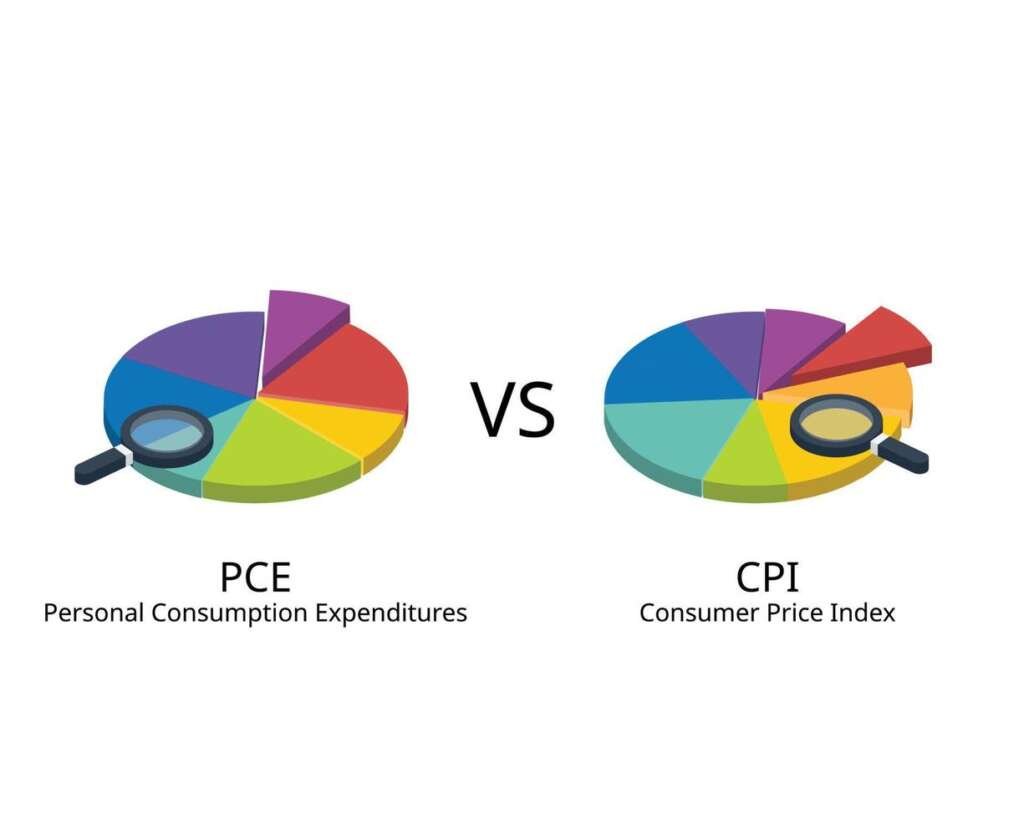
The consumer price index (CPI) that everyone talks about during inflation scares? It measures price changes for a fixed list of items. But PCE is smarter; it adjusts when people change their buying habits. If beef prices skyrocket and people switch to chicken, PCE reflects that real-world substitution.
PCE even includes some spending that doesn’t involve cash changing hands directly. Like when you live in your own house, PCE estimates what you’d pay in rent and counts that as housing consumption. It sounds weird, but it makes the data more accurate.
The PCE Price Index: Why the Fed Cares (And Why You Should Too)
Here’s where things get really practical. The Federal Reserve – the folks who control interest rates – uses something called the PCE price index as their main inflation thermometer. When they talk about keeping inflation around 2%, they’re looking at this specific measurement.
Why does this matter to you? Because when the Fed sees PCE inflation running hot, they raise interest rates. That makes mortgages more expensive, credit cards costlier, and savings accounts (finally) start paying something decent.
There’s also “core PCE” which strips out food and gas prices because they bounce around so much. When core PCE stays elevated, it usually means broader inflation is taking hold – not just temporary spikes in oil or crop prices.
Smart investors watch these numbers closely. Rising PCE inflation often leads to higher interest rates, which can hurt stock prices initially but might benefit savers in the long run.
How to Actually Use PCE Data in Real Life
Timing Your Big Purchases
Let’s say you’re thinking about buying a car. Strong durable goods spending in PCE reports might mean other people have the same idea, potentially driving up prices and reducing dealer incentives. But if durable goods spending is weak, you might find better deals as retailers try to boost sales.
The same logic applies to appliances, electronics, or furniture. When PCE shows people pulling back on big purchases, that’s often when the best deals appear.
Reading the Housing Market
PCE tracks housing services spending, which includes both rent and the estimated rental value of owned homes. When this component grows rapidly, it usually signals rising housing costs before they show up in official housing price reports.
If you’re house hunting, pay attention to PCE housing trends. Accelerating growth might mean you should buy sooner rather than later. Declining growth could signal a cooling market where waiting might pay off.
Investment Insights That Actually Work
Here’s something most financial advisors won’t tell you: PCE data can help time certain investments better than trying to predict individual company earnings.
When services spending drives PCE growth, companies in healthcare, technology services, and hospitality often perform well. When goods spending leads the way, retailers and manufacturers typically benefit.
But here’s the catch – if PCE growth seems too good to be true, it might be. Unsustainable spending often comes from people borrowing against future income, which eventually leads to economic corrections.
Reading Between the PCE Lines: What the Numbers Really Mean
Healthy vs. Unhealthy Growth Patterns
Sustainable PCE growth usually runs between 2 and 4% annually. Much higher than that, and you’re probably looking at either inflation problems or unsustainable debt accumulation. Much lower, and the economy might be headed for trouble.
The composition matters too. When healthcare spending drives PCE growth, it might reflect an aging population or rising medical costs rather than economic prosperity. When entertainment and recreation spending leads the way, that’s usually a better sign for overall economic health.
Warning Signs to Watch For
If you see PCE growing rapidly while wages stay flat, that’s often a red flag. It might mean people are funding consumption through credit cards or home equity loans, which isn’t sustainable long-term.
Another warning sign: when luxury goods drive overall durable goods growth while basic necessities stagnate. This pattern often indicates growing inequality and potential economic instability.
Common PCE Myths That Trip People Up
Myth #1: Higher PCE always means people are doing better financially. Reality: PCE can rise due to inflation, not increased purchasing power. You need to look at “real PCE” (adjusted for inflation) to see if people are actually buying more stuff or just paying higher prices.
Myth #2: PCE drops always signal a recession. Reality: Sometimes PCE declines because people are paying down debt or building savings – both healthy financial behaviors that might temporarily reduce spending.
Myth #3: Government spending doesn’t affect PCE. Reality: Transfer payments like unemployment benefits or stimulus checks directly boost PCE, sometimes masking underlying economic weakness.
Using PCE Data for Better Personal Financial Planning
Budget Allocation Insights
National PCE breakdowns can help you benchmark your own spending. If you’re spending way more on dining out than the national average while skimping on healthcare, those PCE categories might help you rebalance your budget.
Inflation Protection Strategies
When PCE price data shows accelerating inflation in specific categories, you can adjust your spending and investment strategy accordingly. Rising food prices in PCE might prompt you to stock up on non-perishables or invest in agriculture-related stocks.
Career and Business Decisions
PCE trends reveal where the economy is headed, which can inform career choices. Growing services spending might favor careers in healthcare, technology, or professional services. Strong goods spending could benefit manufacturing, logistics, or retail careers.
The Future of Consumer Spending Patterns
Several trends are reshaping how PCE data looks and what it means for the future economy.
Digital services now represent a growing slice of PCE, from streaming subscriptions to cloud storage. This shift toward digital consumption creates new challenges for measuring economic activity accurately.
Environmental consciousness is changing spending patterns, too. Electric vehicle purchases show up in durable goods, while solar panel installations appear in housing services. These green spending trends are becoming significant enough to influence overall PCE patterns.
Remote work has shifted PCE allocations from transportation and office-related services toward home improvement and technology services. These pandemic-era changes seem to be sticking around, permanently altering what “normal” PCE growth looks like.
Making PCE Work for You
Understanding personal consumption expenditure gives you a powerful tool for navigating economic uncertainty. Instead of relying on headlines that often miss the bigger picture, you can look at actual spending data to gauge where the economy is really headed.
Start by checking monthly PCE reports from the Bureau of Economic Analysis. Focus on the year-over-year growth rates and category breakdowns rather than getting lost in seasonal adjustments or monthly volatility.
Use PCE trends to inform your major financial decisions, from when to refinance your mortgage to how to adjust your investment portfolio. But remember, PCE data shows what happened last month, not what will happen next month. Combine it with other indicators and your own financial situation for the best results.
The bottom line? Personal consumption expenditure might sound like economic gobbledygook, but it’s actually one of the clearest windows into where the economy is headed. And in a world where economic conditions can change quickly, having that insight is worth its weight in gold, or at least worth the time it takes to understand what all those numbers really mean.